
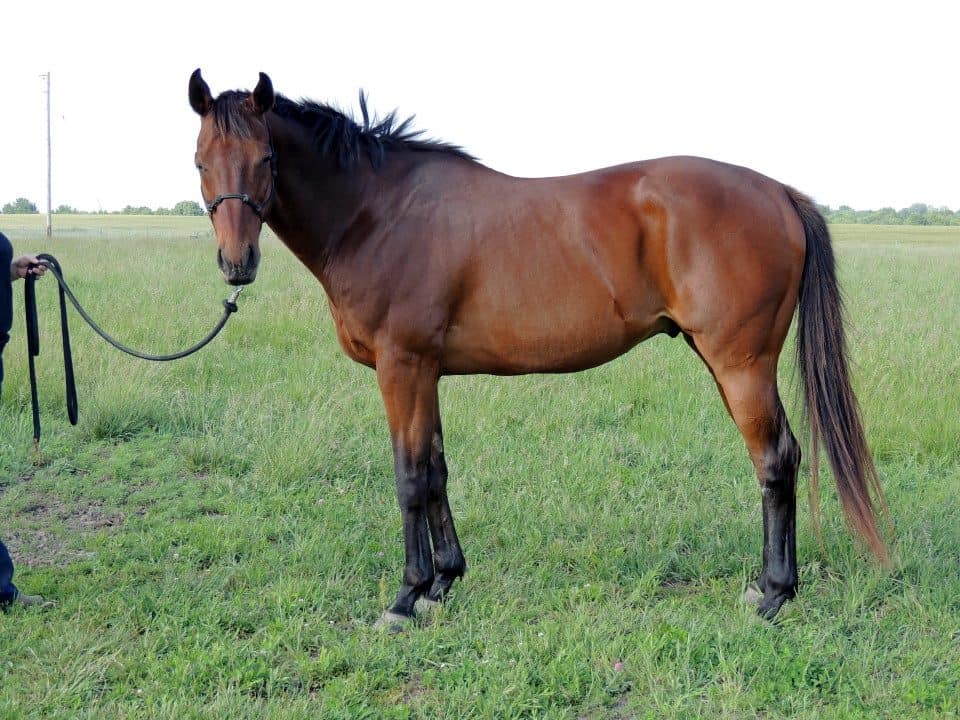
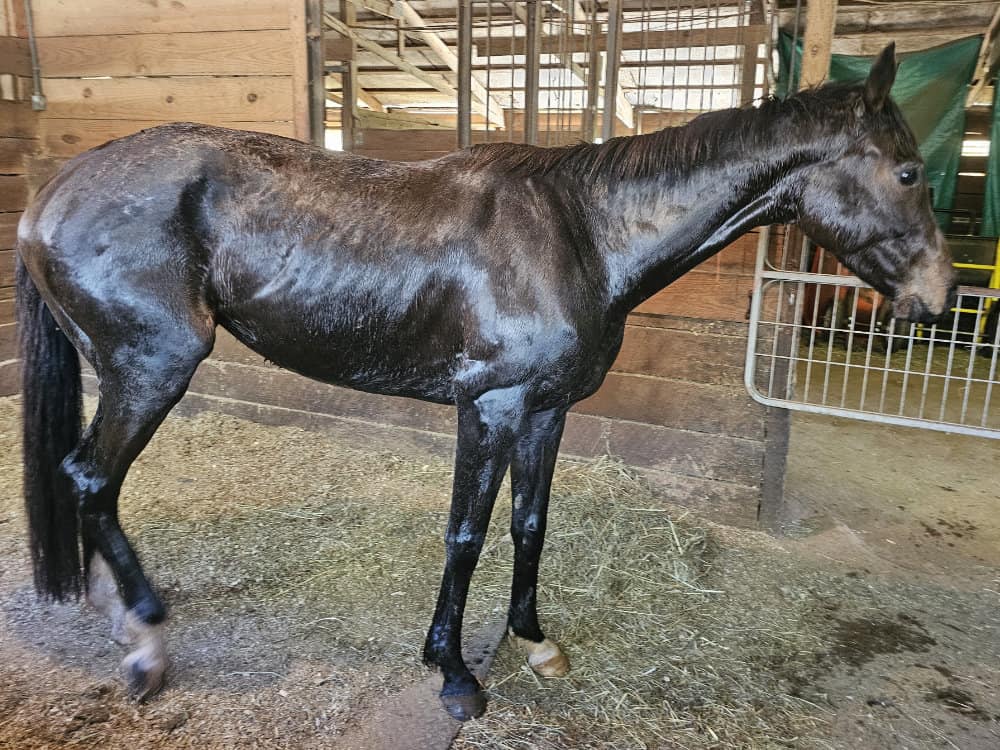
 Maintaining a healthy weight in off-the-track Thoroughbreds can be a challenge. After ruling out dental issues and parasites, the next step is to evaluate the horse’s diet.
Horses burn calories for body maintenance, growth, reproduction, and work. If a horse is not getting enough calories from its diet to meet these needs, it will start to use stored body fat for energy, leading to weight loss. To help your horse gain or maintain weight, you might consider increasing the calorie intake. This can be done by adding more high-quality forage, such as hay or pasture, to the diet. If more calories are needed, you can add grains or fat to the diet. Fat is a dense source of calories and can be a good option for horses that are hard keepers.
However, any changes to a horse’s diet should be made gradually to avoid digestive upset. It’s also important to ensure the horse is getting a balanced diet with all necessary nutrients, not just calories. Remember, each horse is an individual and what works for one might not work for another. It’s always a good idea to work with a veterinarian or equine nutritionist to develop a feeding plan tailored to your horse’s specific needs. Most feed companies have equine nutritionists that work with to work out a diet customized for you horse.
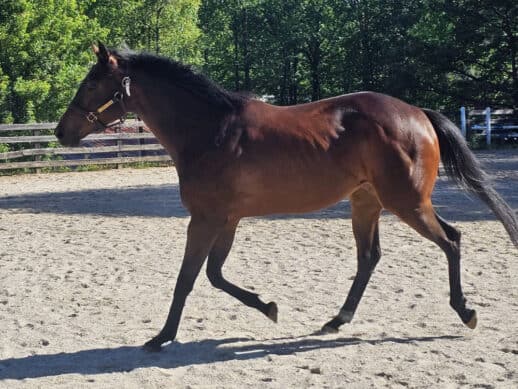 Ulcers can be an issue with weight

Gastric ulcers in horses can significantly affect their weight and overall body condition. The discomfort associated with ulcers may lead to reduced appetite, causing horses to consume fewer nutrients. Over time, this can result in weight loss, with the horse appearing thin and lacking muscle mass. In addition, horses with ulcers may show signs such as poor performance, a rough hair coat, and occasional grumpiness. More severe cases can lead to intermittent mild to severe colic, and severe behavioral issues. Therefore, it’s crucial to monitor horses for these signs and consult a veterinarian if ulcers are suspected. Proper treatment and management can help maintain the horse’s weight and overall health.
Add more fiber to your horse’s diet to reduce the chance of ulcers
Standlee products are high quality fiber which is important to prevent ulcers. Equine gastric ulcers are a problem in some equine populations: an estimated 58% of show horses and 93% or racehorses are affected. Foals are also at risk with an estimated 25-50% developing lesions.
Download this PDF from the Standlee: Forage & Gastric Ulcers

What we feed our Thoroughbreds at Bits & Bytes Farm
At Bits & Bytes Farm we feed our Thoroughbreds Triple Crown Senior Feed which is a fiber-based feed. To that, we add wet fiber with Standlee Alfalfa Pellets and Standlee Beet Pulp Pellets that are soaked. Triple Crown Ration Balancer helps with pre and pro-biotics and additional vitamins and minerals. We also increase the fat intake with Triple Crown Rice Bran and Triple Crown Flax Seed. Buckeye Ultimate Finish 100 is used for older horses and hard keepers. Fat and grain provide different amounts of calories for horses.  Fat is a highly concentrated energy source, providing more than 2.5 times the calories of most grains. Specifically, fat provides about 9 Mcal/kg of energy, three times that of any grain or carbohydrate source. This makes fat a valuable addition to the diet of horses that need to gain weight or maintain weight with less volume of feed.
The mystery of putting weight on Thoroughbreds can be solved if you just reread this post.